Flexible Living Hinge Laser Cut Files
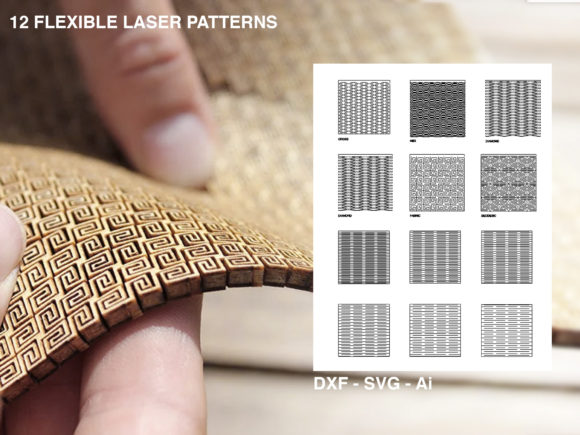
When you're looking to create durable, functional, and aesthetically pleasing hinges for a variety of projects, Flexible Living Hinge Laser Cut Files offer a versatile solution. These digital files are designed to be used with laser cutting, CNC, plasma cutting, and other precision manufacturing tools. Whether you're a hobbyist, a professional designer, or someone who enjoys DIY projects, these files can transform your creative ideas into tangible products.
Real-World Applications of Flexible Living Hinge Laser Cut Files
The utility of Flexible Living Hinge Laser Cut Files extends far beyond just creating simple hinges. They are ideal for a wide range of applications where flexibility and strength are required. For instance, in the world of product design, these files can be used to create custom hinges for electronic enclosures, allowing for smooth and reliable movement without the need for traditional hardware.
In the realm of furniture design, these files can be used to craft living hinges for wooden boxes, drawers, and storage units. The ability to scale the patterns ensures that you can tailor the hinge size to fit any project, whether it's a small decorative box or a large industrial shelving unit. This adaptability makes them a favorite among woodworkers and designers alike.
For those interested in art and design, these files can also serve as a foundation for vector wall art. By using the included SVG and AI formats, artists can create intricate designs that can be cut from materials like acrylic, metal, or even fabric. This opens up new possibilities for creative expression, blending functionality with visual appeal.
Who Benefits from Using Flexible Living Hinge Laser Cut Files?
Flexible Living Hinge Laser Cut Files cater to a diverse audience, each with their own unique needs and goals. Hobbyists often use these files to bring their DIY projects to life, whether it's crafting custom organizers, jewelry stands, or decorative items. The ease of use and scalability of the files make them accessible even to those with limited experience in laser cutting.
Professional designers and engineers may find these files invaluable for prototyping. The ability to create precise, repeatable hinges allows for quick iterations and testing, which is crucial in the development of new products. Additionally, the vector-based nature of the files ensures compatibility with various software and hardware, making them a flexible choice for different workflows.
Manufacturers and small businesses can also benefit from these files by incorporating them into their production processes. Whether it's for custom packaging solutions, signage, or promotional materials, the versatility of these files can help streamline operations and reduce costs associated with traditional hinge manufacturing.
Considerations Before Using Flexible Living Hinge Laser Cut Files
Before diving into using these files, there are a few key considerations to keep in mind. First, ensure that your chosen material is suitable for laser cutting. Materials such as acrylic, cardboard, wood, and thin metals work well, but the thickness and type can affect the final outcome. It's important to test a small sample before committing to a full project.
Next, consider the resolution and scaling of the files. Since these are vector-based, they can be scaled to fit any size, but it's essential to maintain the integrity of the design. Over-scaling can lead to issues with the structural strength of the hinge, especially when working with thinner materials.
Additionally, familiarize yourself with the capabilities of your laser cutter or CNC machine. Different machines have varying power levels and precision settings, which can influence the quality of the final product. Adjusting parameters such as speed and power can help achieve optimal results.
Strengths and Limitations of Flexible Living Hinge Laser Cut Files
One of the primary strengths of Flexible Living Hinge Laser Cut Files is their adaptability. The ability to scale and customize the design means that users can apply these files to a wide range of projects without needing to start from scratch. This flexibility is particularly beneficial for those who want to experiment with different materials and designs.
Another advantage is the precision offered by the vector-based format. This ensures that the hinges are consistent and accurate, which is crucial for both functional and aesthetic applications. The inclusion of multiple file formats (DXF, DWG, AI, SVG) further enhances usability, as it allows compatibility with a variety of design and manufacturing software.
However, there are some limitations to be aware of. For instance, while these files are excellent for creating hinges, they may not be suitable for high-load or heavy-duty applications. The structural integrity of the hinge depends on the material used and the thickness of the cut, so it's important to select appropriate materials for each project.
Additionally, the complexity of the design can impact the time and effort required for setup and execution. More intricate patterns may require additional planning and adjustment, especially when working with automated machinery. It's always a good idea to review the design thoroughly before proceeding with the actual cutting process.