Little Things: A Strategic Tool for Creative and Practical Success
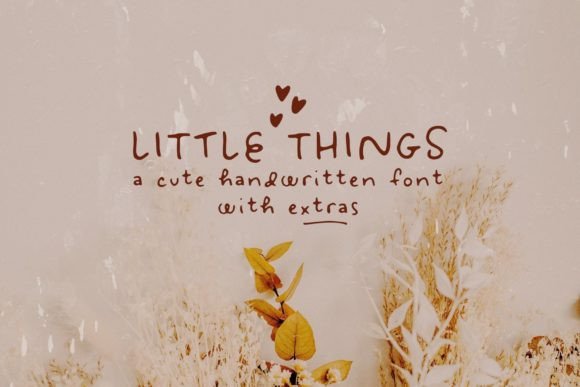
Little Things is more than just a font—it’s a design language that speaks to the heart of creativity, intentionality, and connection. With its cute handwritten style, alternate character set, and an array of extras like underlines, doodles, arrows, and words, Little Things offers a unique way to infuse personality and warmth into your visual communication. Whether you're crafting logos, packaging, social media posts, or branding materials, this font can be a powerful ally in achieving your goals.
The Strategic Value of Little Things
In a world where digital content often feels impersonal, Little Things brings a human touch to every design. Its playful yet refined aesthetic aligns with the growing demand for authenticity in branding and marketing. For professionals, creators, and small business owners, this font can help differentiate your work in a crowded market. It supports strategic goals by enhancing brand identity, improving customer engagement, and fostering emotional connections.
Think of Little Things as a bridge between creativity and clarity. It allows you to communicate complex ideas in a visually engaging way while maintaining professionalism. This balance is crucial for entrepreneurs, educators, and freelancers who rely on clear, impactful messaging to drive results.
How Little Things Supports Strategic Objectives
One of the most effective ways to use Little Things is in branding and packaging. For instance, a boutique skincare line might use the font in product labels to create a sense of care and attention to detail. The doodles and arrows can guide the eye through the design, making it both informative and visually appealing.
In social media, Little Things can elevate your content from generic to memorable. Consider using it in captions, headers, or call-to-action buttons. The font’s whimsical nature can make your brand feel more approachable and relatable, which is especially valuable for businesses targeting younger audiences or those looking to build a community.
For educators and content creators, Little Things can enhance learning materials. Infographics, study guides, and interactive worksheets can benefit from the font’s readability and charm. It encourages engagement without sacrificing clarity, making it ideal for educational platforms or online courses.
When to Use Little Things
Before diving into any project with Little Things, consider the context and audience. This font works best in situations where warmth, creativity, and personality are key. It may not be the best choice for formal documents, legal contracts, or technical reports where professionalism and legibility are paramount.
However, in creative fields such as graphic design, illustration, and content creation, Little Things shines. It’s particularly useful for projects that require a friendly tone, such as children’s books, greeting cards, or lifestyle branding. When used thoughtfully, it can become a signature element of your design style.
Approaching Little Things Strategically
Using Little Things effectively requires intentionality. Start by defining your goals and identifying the right use cases. Ask yourself: What message do I want to convey? Who is my audience? How can this font enhance the overall experience?
Consider experimenting with different applications. For example, a blog post could feature Little Things in headings or quotes to add visual interest. A website landing page might use the font in buttons or testimonials to create a cohesive look. The key is to ensure that the font complements rather than overwhelms the design.
Another strategy is to pair Little Things with other fonts to maintain balance. Using it as an accent font—such as for titles or highlights—can help preserve readability while adding a touch of personality.
Practical Examples and Planning Tips
- Branding: Use Little Things in logo designs, business cards, and social media profiles to create a consistent, recognizable brand identity.
- Marketing: Incorporate the font into email newsletters, promotional banners, or campaign visuals to capture attention and drive engagement.
- Education: Apply Little Things to lesson plans, flashcards, or interactive learning tools to make educational content more engaging.
- Product Packaging: Use the font in labels, tags, or packaging designs to add a personal touch that resonates with customers.
When planning your design projects, always start with a clear vision. Define the purpose of each element and how Little Things can support that purpose. This approach ensures that your use of the font is both strategic and meaningful.
Risks of Using Little Things Without Context
While Little Things has many benefits, it’s important to recognize potential risks when using it without clear goals or context. One common issue is overuse. If applied too frequently or in inappropriate settings, the font can lose its impact and appear unprofessional.
Another risk is misalignment with brand values. If your brand is serious or formal, using Little Things in all communications may send mixed signals. It’s essential to evaluate whether the font aligns with your overall brand voice and target audience.
Additionally, without proper planning, Little Things can become a distraction rather than an enhancement. Always test the font in different contexts to ensure it supports your objectives without compromising clarity or effectiveness.
Long-Term Value and Intentional Use
The true power of Little Things lies in its ability to support long-term goals. By using it intentionally, you can create a consistent visual identity that strengthens your brand and builds trust with your audience.
Whether you’re launching a new product, expanding your business, or refining your creative process, Little Things can play a vital role. It encourages thoughtful decision-making and helps you stay focused on what truly matters—your audience, your message, and your mission.
Ultimately, the key to success with Little Things is to use it with purpose. Let the font enhance your work without overshadowing it. With strategic planning and mindful application, Little Things can become a valuable tool in your creative toolkit, helping you achieve better results and make better decisions.