Creating Organic Surface Designs with Avocado Soy and Naturally Dyed Textiles
In an era where sustainability and creativity are increasingly intertwined, the practice of organic surface design has emerged as a powerful way to merge artistry with environmental responsibility. This unique approach combines the natural properties of avocado soy with hand-dyed textiles that feature organically printed patterns. By utilizing compostable food scraps like avocado stone and skin, creators can produce beautiful, personalized designs on fabric using only safe, non-toxic materials. This process not only reduces waste but also celebrates the inherent beauty of natural elements, making it an ideal activity for both seasoned artists and beginners alike.
The Art of Organic Surface Design
Organic surface design refers to the creation of decorative patterns or textures on surfaces such as fabric, paper, or wood using natural materials and methods. Unlike traditional printing techniques that rely on synthetic inks and chemicals, this method embraces the unpredictability and organic nature of natural dyes and pigments. The result is a surface that feels alive, textured, and deeply connected to the earth.
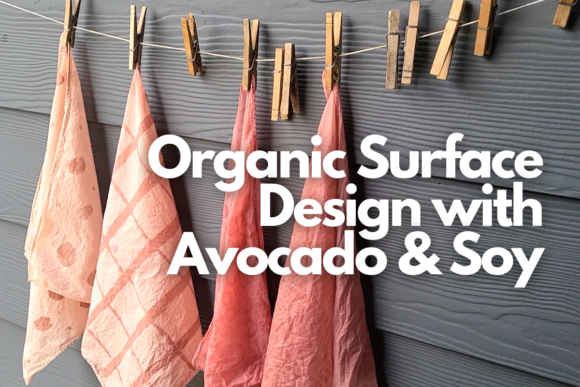
One of the most accessible ways to begin exploring this craft is through the use of avocado soy, a combination of soy milk and avocado pulp. These ingredients serve as a base for creating vibrant, eco-friendly dyes that can be applied directly to fabric. The process begins by soaking the avocado stone and skin in water, then simmering them to extract color. Once the dye is ready, it can be used to create intricate patterns through stenciling, stamping, or even direct application.
Benefits of Using Natural Dyes and Organic Materials
There are numerous advantages to adopting organic surface design practices. First and foremost, it significantly reduces the environmental impact associated with conventional textile production. Traditional dyes often contain harmful chemicals that can pollute water sources and harm ecosystems. In contrast, natural dyes derived from food scraps are biodegradable and pose no risk to the environment.
Additionally, working with natural materials allows for greater creativity and experimentation. Each batch of dye can yield slightly different results, leading to one-of-a-kind designs that reflect the unique characteristics of the materials used. This variability encourages a more intuitive and personal approach to art-making, fostering a deeper connection between the creator and their work.
From a practical standpoint, organic surface design is also highly accessible. Many of the required materials—such as cotton fabric, avocado skins, and soy milk—are readily available in everyday kitchens or local markets. This accessibility makes it an excellent option for hobbyists, educators, and professionals looking to integrate sustainable practices into their creative processes.
Step-by-Step Guide to Creating Organic Surface Designs
Creating organic surface designs with avocado soy and naturally dyed textiles involves several key steps, each of which contributes to the final aesthetic and environmental impact of the project. Here’s a detailed breakdown of the process:
- Prepare the Fabric: Choose a natural fiber such as cotton, linen, or hemp. Wash and dry the fabric thoroughly to ensure it is clean and free of any residues.
- Extract the Dye: Cut up avocado stones and skins and place them in a pot with water. Bring the mixture to a boil, then simmer for about 30 minutes. Strain the liquid and allow it to cool.
- Test the Dye: Before applying the dye to your entire project, test it on a small piece of fabric to determine its color intensity and behavior.
- Apply the Dye: Use stencils, stamps, or hand-painting techniques to apply the dye to the fabric. For added texture, consider layering multiple colors or incorporating natural elements like leaves or flowers.
- Fix the Color: Once the dye has dried, rinse the fabric in cold water to remove excess dye. Allow it to air dry completely.
- Finish the Project: Depending on the desired outcome, you may choose to add a natural finish such as beeswax or a plant-based starch to enhance the durability and sheen of the fabric.
This hands-on process not only produces visually stunning results but also offers a sense of fulfillment knowing that every step has been taken with sustainability in mind.
Exploring Creative Applications
Organic surface design is not limited to simple fabric projects. It can be applied to a wide range of creative endeavors, including home décor, fashion, and even educational tools. For instance, handmade fabric wall hangings can be created using natural dyes and patterns inspired by nature. Similarly, eco-conscious fashion designers can incorporate these techniques into their collections, offering consumers a sustainable alternative to mass-produced clothing.
In an educational setting, organic surface design serves as an engaging way to teach students about sustainability, chemistry, and art. By involving children in the process of extracting dyes from food scraps, educators can foster an appreciation for both science and creativity while reinforcing the importance of reducing waste.
For professionals in the textile industry, integrating organic surface design into their workflow can help differentiate their products in a competitive market. Consumers are increasingly seeking out brands that prioritize ethical and environmentally friendly practices, making this approach both relevant and valuable.
Considerations and Best Practices
While organic surface design offers many benefits, there are also important considerations to keep in mind when embarking on this creative journey. One of the primary challenges is the unpredictability of natural dyes. Since the color intensity can vary depending on the source material and preparation method, it is essential to experiment and document the results of each batch.
Another consideration is the time required for the dyeing process. Unlike synthetic dyes, which can be applied quickly and efficiently, natural dyes often require longer soaking and drying times. This means that patience and flexibility are key traits for anyone interested in this craft.
Finally, proper storage of natural dyes and materials is crucial to maintaining their quality and effectiveness. Dye solutions should be kept in a cool, dark place and used within a reasonable timeframe to avoid degradation.
Embracing the Magic of Mother Nature
At its core, organic surface design is about celebrating the magic of Mother Nature and finding inspiration in the world around us. By transforming organic matter into beautiful, functional art, we not only reduce our environmental footprint but also connect with the natural cycles that sustain life on Earth.
Whether you are a professional artist, a passionate hobbyist, or simply someone looking to explore new creative outlets, the practice of organic surface design with avocado soy and naturally dyed textiles offers a rewarding and meaningful experience. It invites us to slow down, engage with the natural world, and create something truly unique and sustainable.