Getting Started with Leathercraft: A Beginner’s Guide
Leathercraft is a time-honored craft that blends artistry, precision, and craftsmanship. Whether you're looking to create custom accessories, restore vintage items, or simply explore a new creative hobby, learning the fundamentals of leatherworking can be both rewarding and fulfilling. For those who have ever wondered how to begin, Introduction to Leathercraft offers a structured and practical approach to mastering this versatile skill. This beginner’s class, led by Jo from J.H. Leather, is designed to equip newcomers with the knowledge and hands-on experience needed to embark on their leathercraft journey.
At its core, Introduction to Leathercraft is more than just a tutorial—it's an immersive experience that introduces students to the essential tools, techniques, and materials used in traditional leatherworking. The course is particularly well-suited for adults aged 20–50 who are interested in creative pursuits, self-improvement, or exploring new skills outside of their professional lives. It caters to a wide range of individuals, including entrepreneurs, freelancers, educators, and serious hobbyists who value hands-on learning and tangible results.
The Value of Learning Leathercraft
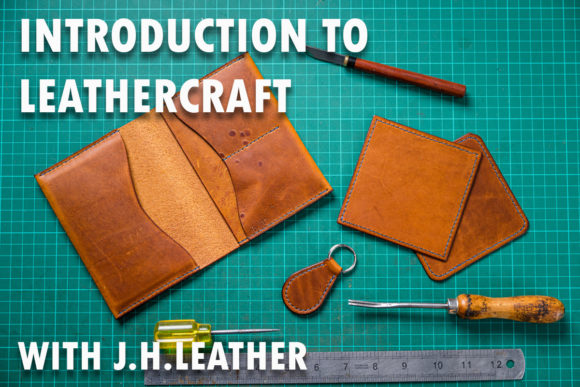
One of the most compelling aspects of Introduction to Leathercraft is its emphasis on practical application. Unlike many online courses that focus solely on theory, this program ensures that students gain real-world experience through three completed projects. By the end of the class, participants will not only understand the basics of leatherworking but also possess the confidence and competence to continue developing their skills independently.
These projects serve as a foundation for further exploration. They allow learners to experiment with different techniques, styles, and materials, which is crucial for building proficiency. The inclusion of downloadable patterns—available under the “Tools for Leathercraft” segment—adds significant value, as it provides immediate access to the resources needed to start working right away.
Key Features of the Course
Introduction to Leathercraft is structured to cover the essential elements of leatherworking in a clear and accessible manner. Here are some of its key characteristics:
- Hands-on instruction: Students receive direct guidance from an experienced instructor, ensuring they learn proper techniques and avoid common mistakes.
- Comprehensive tool list: The course includes a detailed overview of the tools required, making it easier for beginners to gather everything they need.
- Three finished projects: Completing three distinct items helps reinforce learning and gives learners a sense of accomplishment.
- Downloadable resources: Access to pattern files allows students to work at their own pace and revisit instructions as needed.
- Traditional techniques: The course focuses on classic methods, which are often more durable and visually appealing than modern alternatives.
The combination of these features makes Introduction to Leathercraft an excellent choice for anyone looking to develop a solid foundation in leatherworking. It balances theory with practice, ensuring that students leave the course with both knowledge and tangible skills.
Who Benefits Most from This Course?
Introduction to Leathercraft is ideal for a variety of individuals, each with their own motivations and goals. For professionals seeking a creative outlet, the course offers a way to unwind while developing a new skill. Entrepreneurs and small business owners may find value in learning how to create custom products or repair existing ones, potentially opening up new revenue streams. Educators and hobbyists alike can benefit from the opportunity to engage in a hands-on activity that fosters creativity and problem-solving.
Freelancers and bloggers might appreciate the ability to create unique content or promotional materials using leather. Similarly, those involved in publishing or design could use the skills learned in Introduction to Leathercraft to enhance their offerings with handmade elements. Regardless of one’s background, the course provides a flexible and adaptable learning experience that can be tailored to individual interests and needs.
Real-World Applications and Limitations
While Introduction to Leathercraft is highly effective for beginners, it’s important to consider its limitations. The course focuses primarily on traditional techniques and may not cover advanced methods or specialized applications such as upholstery or automotive leatherwork. However, this is a deliberate choice, as it ensures that students build a strong foundation before moving on to more complex projects.
Additionally, the course assumes a certain level of physical dexterity and patience, which are necessary for working with leather. While this is typical for any manual craft, it’s worth noting that some individuals may find the process challenging at first. Nevertheless, the structured nature of the course and the availability of downloadable resources help mitigate these challenges, making the learning curve more manageable.
Another consideration is the cost of materials. While the course itself is a valuable investment, learners should budget for supplies such as leather sheets, cutting tools, and finishing materials. These costs can vary depending on the quality and type of materials chosen, so it’s advisable to research options that align with one’s budget and preferences.
Practical Recommendations for Success
To get the most out of Introduction to Leathercraft, students should approach the course with a mindset of curiosity and experimentation. It’s important to take notes, ask questions, and practice regularly. Each project serves as a stepping stone, helping learners refine their technique and build confidence.
For those who are unsure where to start, beginning with simple designs and gradually moving to more complex ones is a wise strategy. This approach allows for gradual progress and minimizes frustration. Additionally, joining a community of fellow learners or seeking feedback from experienced practitioners can provide valuable insights and motivation.
Finally, staying organized is key. Keeping track of tools, patterns, and completed projects helps maintain momentum and ensures that the learning process remains enjoyable and productive.
Conclusion
Introduction to Leathercraft is a well-structured and practical course that offers a comprehensive introduction to the world of leatherworking. Its focus on hands-on learning, traditional techniques, and tangible outcomes makes it an excellent choice for beginners looking to explore a new creative hobby or develop a valuable skill. Whether you’re a professional seeking balance, a hobbyist aiming to expand your repertoire, or someone simply curious about the art of leathercraft, this course provides a solid foundation to build upon. With dedication and practice, the skills gained from Introduction to Leathercraft can open up a world of possibilities in both personal and professional contexts.